

Traffic-Bearing Membrane Systems Explained: How They Protect Commercial Concrete
Walk into any parking garage that’s ten or fifteen years past its last real maintenance, and you’ll see the same story: cracked decks, rusty stains bleeding through the concrete, and patches that never quite matched the surface around them. Most of that damage traces back to one thing. Water, salt, and traffic got into concrete that wasn’t properly protected.
A traffic-bearing membrane system is how you stop that story before it starts. At Malatesta Paladino, we’ve spent decades working on commercial concrete across New York City, and this is one of the most misunderstood systems in the business. It’s not paint, and it’s not a one-coat fix. Here’s what it actually is, how it works, and how to tell if your property needs one.
QUICK ANSWER
- A traffic-bearing membrane is a multi-layer protective system, not a single coating
- It’s built for surfaces that carry pedestrian or vehicle traffic while blocking water and chemical intrusion
- The right system depends on traffic type, substrate condition, moisture exposure, and climate
- Poor surface prep is the leading cause of early failure
- Professional installation and system selection matter as much as the product itself
What Is a Traffic-Bearing Membrane System?
A protective, multi-layer system applied over concrete to shield it from traffic, water, and chemical exposure.
It is different from a basic sealer or a single-coat product.
Engineered specifically to hold up under pedestrian or vehicular loads.
A complete system typically includes:
- Primer
- Waterproofing or base membrane
- Reinforcement (where the design calls for it)
- Aggregate or wear course
- Protective topcoat
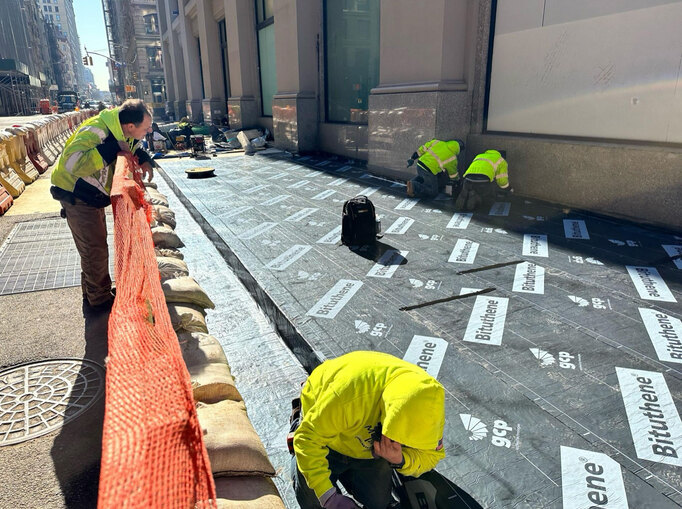
⚠️ IMPORTANT DISTINCTION Not every “traffic coating” is automatically waterproof. Waterproofing performance depends entirely on the specific system design, not the marketing on the label.
According to the International Institute of Building Enclosure Consultants (IIBEC), traffic-bearing membrane systems exist specifically to protect horizontal concrete surfaces from deterioration by keeping moisture and chloride intrusion out.
Why Traffic-Bearing Membranes Matter
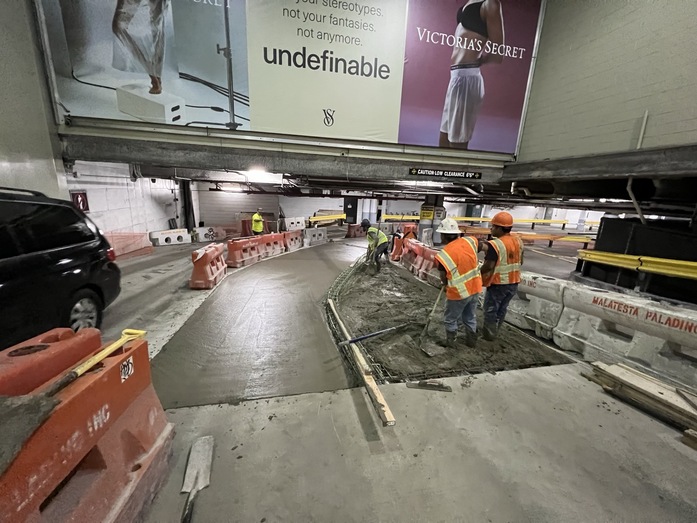
What they protect against:
- Water and moisture intrusion
- Freeze-thaw cycling
- UV exposure
- Abrasion from tires and foot traffic
- De-icing salts and other chlorides
- Chemical exposure
- Concrete cracking and deterioration
- Corrosion of the reinforcing steel inside the slab
Protecting the Concrete Substrate
- Water and chlorides are the two biggest threats to a concrete deck
- Once chlorides reach the reinforcing steel inside the slab, corrosion begins
- Corroding steel expands, which cracks and spalls the surrounding concrete from the inside out
- A properly designed membrane keeps that moisture path closed
Improving Surface Safety
- Slip-resistant finishes built into the topcoat
- Better traction in wet or icy conditions
- Especially valuable on ramps, walkways, and garage entrances
Reducing Long-Term Repair Costs
- Think of it as asset protection, not cosmetics
- Preventing water intrusion now is far cheaper than structural concrete repair later
- A well-maintained membrane extends the usable life of the whole deck
FACT: Parking structures face constant exposure to chloride-containing compounds tracked in by vehicles, especially de-icing salts in winter, which pool on concrete decks and accelerate corrosion, particularly where drainage is poor.
Where Are Traffic-Bearing Membranes Used?
Application | Primary Challenge | Role of the Membrane |
Parking garages | Vehicles, moisture, salts | Structural protection + traffic resistance |
Parking decks | Weather + vehicle traffic | Surface protection + waterproofing |
Ramps | Heavy braking and turning | Extra wear and slip resistance |
Rooftop and podium decks | Moisture + exposure | Protects exposed concrete below |
Pedestrian walkways | Foot traffic + weather | Durability + traction |
Balconies | Moisture + foot traffic | Surface protection |
Loading docks | Heavy loads + abrasion | Heavy-duty wear resistance |
Commercial plazas | Foot traffic + weather | Protection + appearance |
Industrial floors | Equipment + chemicals | Durable, chemical-resistant surface |
This lines up with our own project work, from parking garage repairs under Local Law 126 to waterproofing and traffic-bearing membrane installations on plazas, decks, and ramps across NYC.
How a Traffic-Bearing Membrane System Is Built
How a traffic-bearing membrane system is built is the part that determines whether the system lasts 5 years or 20.
Step 1: Substrate Evaluation
- Inspect for existing cracks, delamination, and surface deterioration
- Check moisture conditions and existing coatings
- Review drainage patterns and expected movement in the slab
Step 2: Surface Preparation
Common methods:
- Cleaning
- Grinding
- Shot blasting
- Removing deteriorated material
- Profiling the substrate for proper adhesion
PRO TIP: Inadequate surface preparation is one of the most common causes of coating failure. If the substrate isn’t properly profiled, the membrane simply won’t bond, no matter how good the product is.
Step 3: Crack and Joint Treatment
- Repair existing cracks before the membrane goes down
- Address expansion joints and control joints
- Plan for ongoing slab movement, not just the current condition
Step 4: Primer
- Improves adhesion between the concrete and the membrane
- Must be compatible with both the substrate and the rest of the system
- Moisture conditions in the slab affect primer selection
Step 5: Membrane / Base Coat
- Provides the core waterproofing layer
- Flexible systems can bridge minor, ongoing cracks
- This layer does most of the actual protective work
Step 6: Reinforcement and Wear Course
- Reinforcement fabric where the design calls for it
- Aggregate broadcast for traction and wear resistance
- Extra attention in high-stress zones like ramps and turning lanes
Step 7: Topcoat
- UV resistance to prevent breakdown from sunlight
- Abrasion and chemical resistance
- Slip resistance for pedestrian safety
- Final appearance and color
Step 8: Final Inspection
- Coverage and thickness checks
- Detailing around drains, joints, and transitions
- Confirming the surface is ready for return to service
Traffic Membrane vs. a Basic Concrete Coating
People use these terms interchangeably, and that’s exactly where problems start.
Feature | Basic Concrete Coating | Traffic-Bearing Membrane |
Foot traffic | Limited, varies by product | Engineered for sustained traffic |
Vehicle traffic | Not always appropriate | Systems specifically designed for it |
Waterproofing | Depends on the product | Depends on the full system design |
Crack movement | Limited flexibility | Systems can be designed to bridge cracks |
Wear resistance | Varies widely | Matched to expected traffic load |
Slip resistance | Optional | Built into the topcoat |
Number of layers | Sometimes single-layer | Typically a multi-layer system |
Parking applications | Not always suitable | A common, proven application |
KEY TAKEAWAY: Choose the system based on the actual service conditions of the surface, not just because a product is labeled “traffic coating.” IIBEC’s guidance on traffic-bearing coatings emphasizes evaluating each project’s specific demands rather than applying a one-size-fits-all specification.
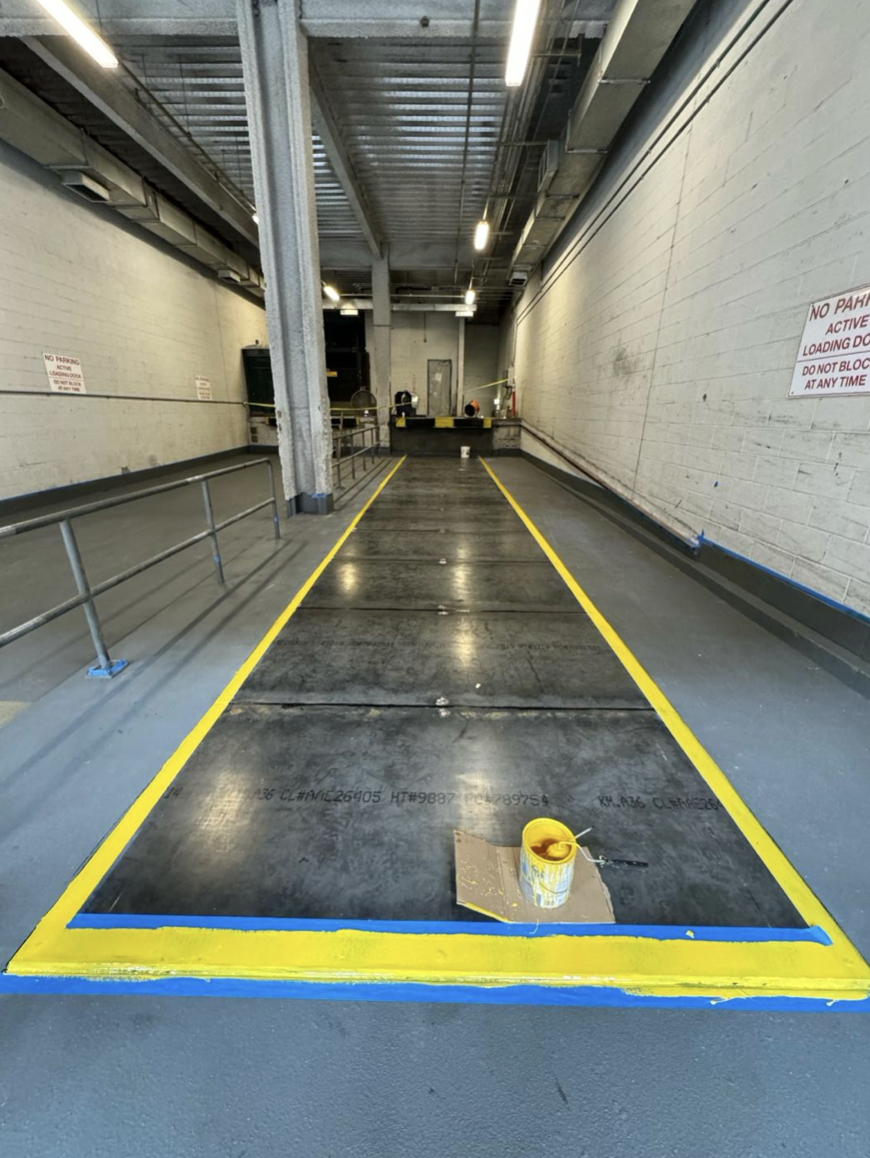
Common Types of Traffic-Bearing Systems
- Polyurethane systems – Flexible, traffic-resistant, common on commercial decks
- Epoxy broadcast systems – Highly durable wear surface built for heavy foot and light vehicle traffic; important limitation, epoxy systems alone don’t always provide full waterproofing or crack-bridging
- PMMA systems – Cure quickly, useful when a fast return to service matters
- PUMA systems – Fast-curing with more flexibility than rigid systems, often used where crack-bridging is a priority
- Elastomeric polyurethane systems – Flexible, multi-layer construction suited to a wide range of project conditions
No single system works for every structure. Selection depends on traffic type, movement, moisture, and the building’s use.
How to Choose the Right System
Factors that should drive the decision:
- Vehicular vs. pedestrian traffic
- Traffic volume and vehicle weight
- Ramps, turning areas, and high-wear zones
- Existing concrete condition
- Moisture, climate, and UV exposure
- Chemical exposure
- Required service life and maintenance plan
- Downtime tolerance during installation
One System Doesn't Fit Every Property
- A parking garage deck is not the same problem as a rooftop plaza
- A pedestrian walkway is not the same problem as a loading dock
- Each surface carries a different traffic load, exposure level, and movement pattern
- Copying a spec from a different building is one of the fastest ways to get a premature failure
Parking garage ≠ rooftop plaza ≠ pedestrian walkway ≠ loading dock
How Installation Works, Step by Step
- Project assessment
- Substrate testing and evaluation
- Surface preparation
- Concrete and crack repairs
- Primer application
- Membrane or base coat
- Reinforcement and wear course
- Topcoat
- Quality inspection
- Return to service
PRO TIP: High-wear zones like ramps, entrances, and turning lanes often need extra layers or a reinforced system. Treating the entire deck as one uniform surface, when traffic patterns clearly aren’t uniform, is a common design mistake.
What Causes Traffic Membrane Systems to Fail?
Common root causes:
- Poor surface preparation
- Moisture trapped beneath the system
- Incompatible materials between layers
- Wrong system selected for the traffic load
- Insufficient thickness
- Improper curing during installation
- Unaddressed cracks or failed joints
- Poor detailing around drains and penetrations
- Lack of ongoing maintenance
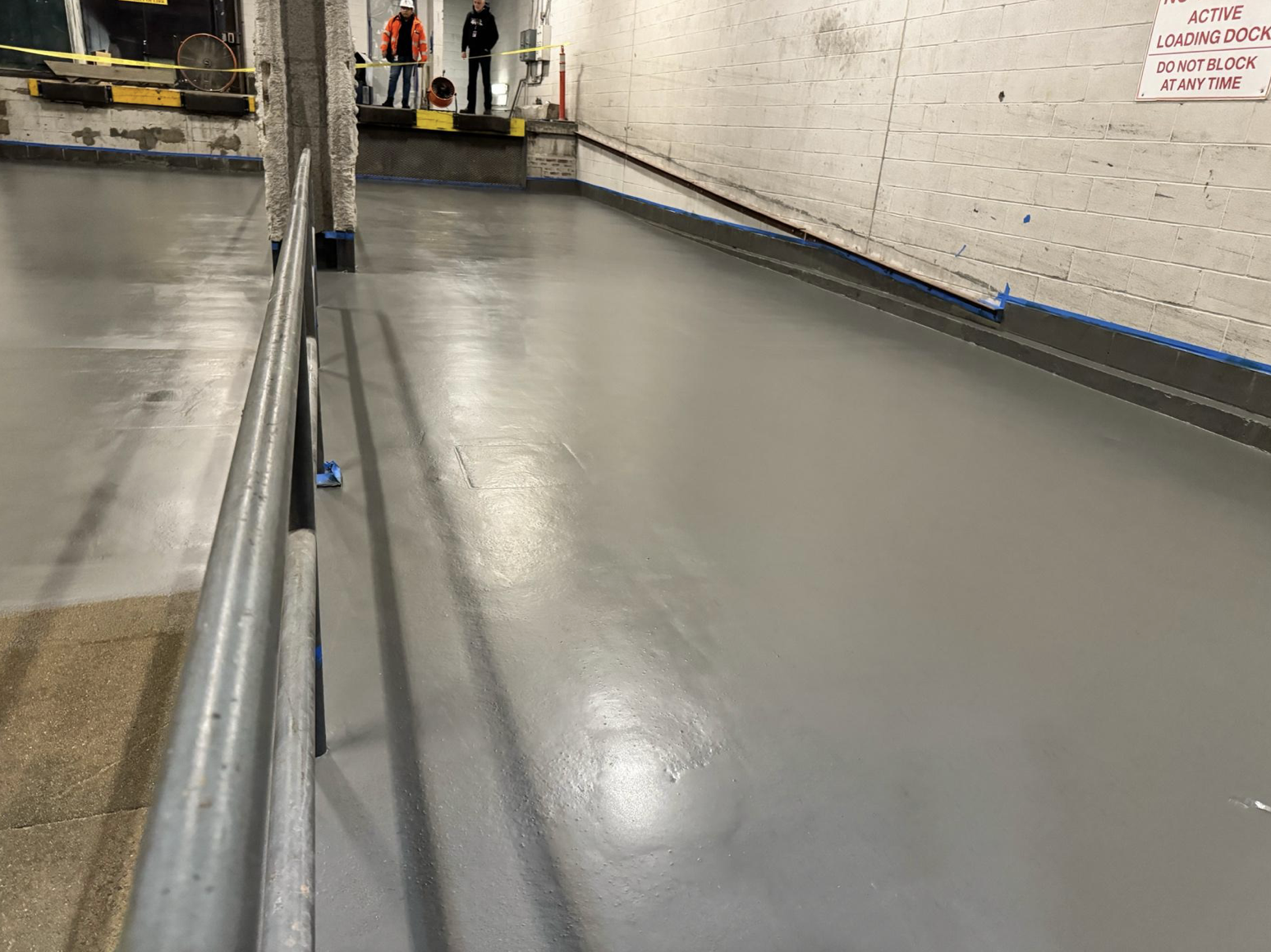
How Long Do These Systems Last?
There’s no single number that applies to every building. Lifespan depends on:
- System selection and installation quality
- Traffic volume
- Weather and UV exposure
- Concrete condition
- Ongoing maintenance and drainage
How to extend the life of the system:
- Routine inspections
- Regular cleaning
- Crack monitoring
- Joint maintenance
- Spot repairs before small issues spread
- Recoating on schedule instead of waiting for visible failure
Signs Your Property May Need a Traffic Membrane
- Visible concrete cracking
- Water intrusion or staining
- Coating peeling or delaminating
- Blisters on the surface
- Exposed concrete or aggregate
- Worn traffic lanes or ramps
- Corrosion-related concrete damage (rust stains, spalling)
- Repeated waterproofing repairs on the same area
- An aging parking deck that hasn’t been evaluated in years
- Slippery surfaces, especially on ramps
If any of this sounds like your property, it’s worth an evaluation before the next freeze-thaw season does more damage.
Why Commercial Property Owners Invest in This
- Protects the structural integrity of the building
- Reduces ongoing moisture exposure to reinforcing steel
- Improves pedestrian and vehicle safety
- Extends the usable life of the surface
- Cuts down on recurring repair costs
- Maintains a professional appearance for tenants and visitors
- Protects long-term asset value
- Minimizes disruption to operations when properly planned and scheduled
Why Professional Installation Matters
A traffic-bearing membrane is only as good as the work that goes into it. Installation involves:
- Accurate substrate assessment
- Concrete repair before the membrane ever goes down
- Proper surface preparation
- Correct system selection for the traffic load
- Moisture evaluation
- Crack and joint treatment
- Layer compatibility between primer, membrane, and topcoat
- Careful detailing around drains and transitions
- Quality control at every stage
- Traffic management and project scheduling around an active property
The performance of the entire system depends on every layer, from substrate prep to the final topcoat, not just the product in the bucket.
Traffic-Bearing Membrane Systems by Malatesta Paladino
We’ve been a concrete and masonry contractor in New York City since 1985, working on commercial properties across Manhattan, Brooklyn, Queens, and Nassau County.
Our approach: Assess → Prepare → Repair → Protect → Inspect
Traffic-bearing membrane work fits into our broader waterproofing, caulking, and traffic-bearing membrane services, alongside related capabilities including:
- Concrete and masonry repair
- Parking garage repairs under Local Law 126
- Facade restoration under Local Law 11
- Sidewalks, curbs, and roadways
- Vaulted sidewalks and structural reinforcing
- Structural steel fabrication and fireproofing
You can see examples of our commercial work on the projects page, and read more about our team on the leadership page.
Protect your commercial concrete before small problems become major repairs.
FAQ: Traffic-Bearing Membrane Systems
What is a traffic-bearing membrane system?
A multi-layer protective system applied to concrete, engineered to withstand pedestrian or vehicle traffic while blocking water and chemical intrusion.
What's the difference between a traffic coating and a traffic membrane?
“Coating” is often used loosely, and can refer to a single-layer product. A traffic membrane is a full system, primer through topcoat, engineered for the specific traffic and moisture conditions of the surface.
Where are traffic-bearing membrane systems used?
Parking garages and decks, ramps, rooftop and podium decks, pedestrian walkways, balconies, loading docks, and commercial plazas.
Are traffic membrane systems waterproof?
It depends on the specific system design. Not every traffic coating provides full waterproofing, so system selection needs to match the actual moisture exposure the surface faces.
Can traffic membranes handle vehicle traffic?
Yes, when the system is specifically engineered for vehicular loads. Pedestrian-rated systems and vehicular-rated systems are not interchangeable.
What's included in a traffic membrane system?
Typically a primer, waterproofing base membrane, reinforcement where needed, an aggregate or wear course, and a protective topcoat.
How are traffic membrane systems installed?
Through a sequenced process: assessment, substrate prep, crack repair, primer, base membrane, reinforcement and wear course, topcoat, and final inspection.
Why does surface preparation matter so much?
Because inadequate preparation is one of the leading causes of adhesion failure and delamination, regardless of how good the coating product is.
What causes traffic membrane coatings to fail?
Poor surface prep, trapped moisture, incompatible layers, the wrong system for the traffic load, insufficient thickness, and lack of maintenance.
How often should a traffic membrane system be inspected?
Routine inspections should happen at least annually, with closer attention to high-wear zones like ramps and entrances.
Can a traffic membrane be repaired instead of fully replaced?
Often, yes. Spot repairs and recoating can extend the system’s life significantly if caught before widespread failure.
How do I choose the right system for my property?
Start with an on-site evaluation of traffic type, volume, moisture exposure, and the current condition of the concrete. There’s no universal answer, it has to match your building.
Protect Your Concrete With the Right Traffic-Bearing System
Planning a commercial concrete restoration or traffic-bearing membrane project? Contact Malatesta Paladino to discuss your property’s needs and the right approach for your building.