

What Happens During a NYC Facade Inspection?
A Complete Guide to Local Law 11 (FISP)
Every year, thousands of NYC buildings undergo facade inspections to ensure their exterior walls remain safe and structurally sound. But many property owners, co-op boards, and building managers are unsure what actually happens during a Local Law 11 inspection — who performs it, what inspectors look for, and what happens after the report is filed.
New York City has some of the oldest and tallest buildings in the country, and their facades are constantly exposed to freeze-thaw cycles, water infiltration, pollution, and decades of structural movement. A facade inspection exists to catch these problems before they put pedestrians and tenants at risk — and before they turn into costly emergency repairs.
At Malatesta Paladino, we work directly with building owners, QEWIs, and co-op and condo boards across NYC to get facades inspected, repaired, and compliant. Here’s exactly what the process looks like, from the first records review to the final DOB filing.
What Is a NYC facade Inspection?
A facade inspection is a detailed examination of a building’s exterior walls and related components to determine whether they’re safe, stable, and compliant with NYC regulations.
The inspection evaluates every material and element that makes up the exterior wall system, including:
- Brick masonry
- Stone facades
- Terra cotta
- Concrete panels
- Stucco
- Mortar joints
- Window lintels
- Parapets
- Balconies
- Fire escapes
- Exterior attachments
Under FISP — the program most owners still refer to by its older name, Local Law 11 — buildings taller than six stories must be inspected every five years. Skipping or delaying an inspection doesn’t make the requirement go away; it just increases the chance that a minor issue turns into a DOB violation.
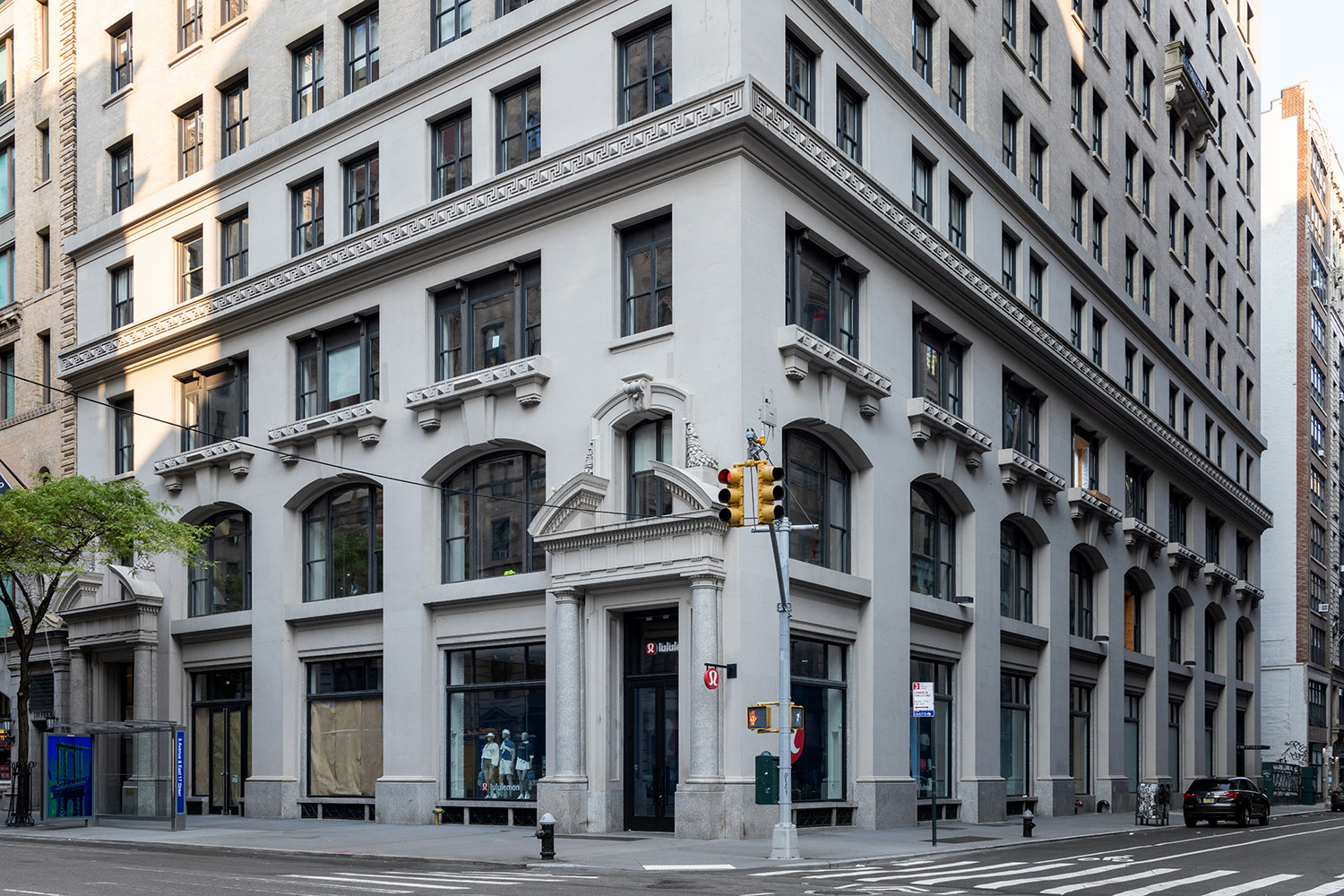
NYC facade Inspection Facts
| Local Law | Local Law 11 — Facade Inspection Safety Program (FISP) |
|---|---|
| Applies To | Buildings taller than 6 stories |
| Inspection Frequency | Every 5 years |
| Inspector Required | DOB-approved Qualified Exterior Wall Inspector (QEWI) |
| Report Filed Through | NYC DOB NOW: Safety |
| Governing Codes | NYC Construction Codes §28-302.1 and RCNY §103-04 |
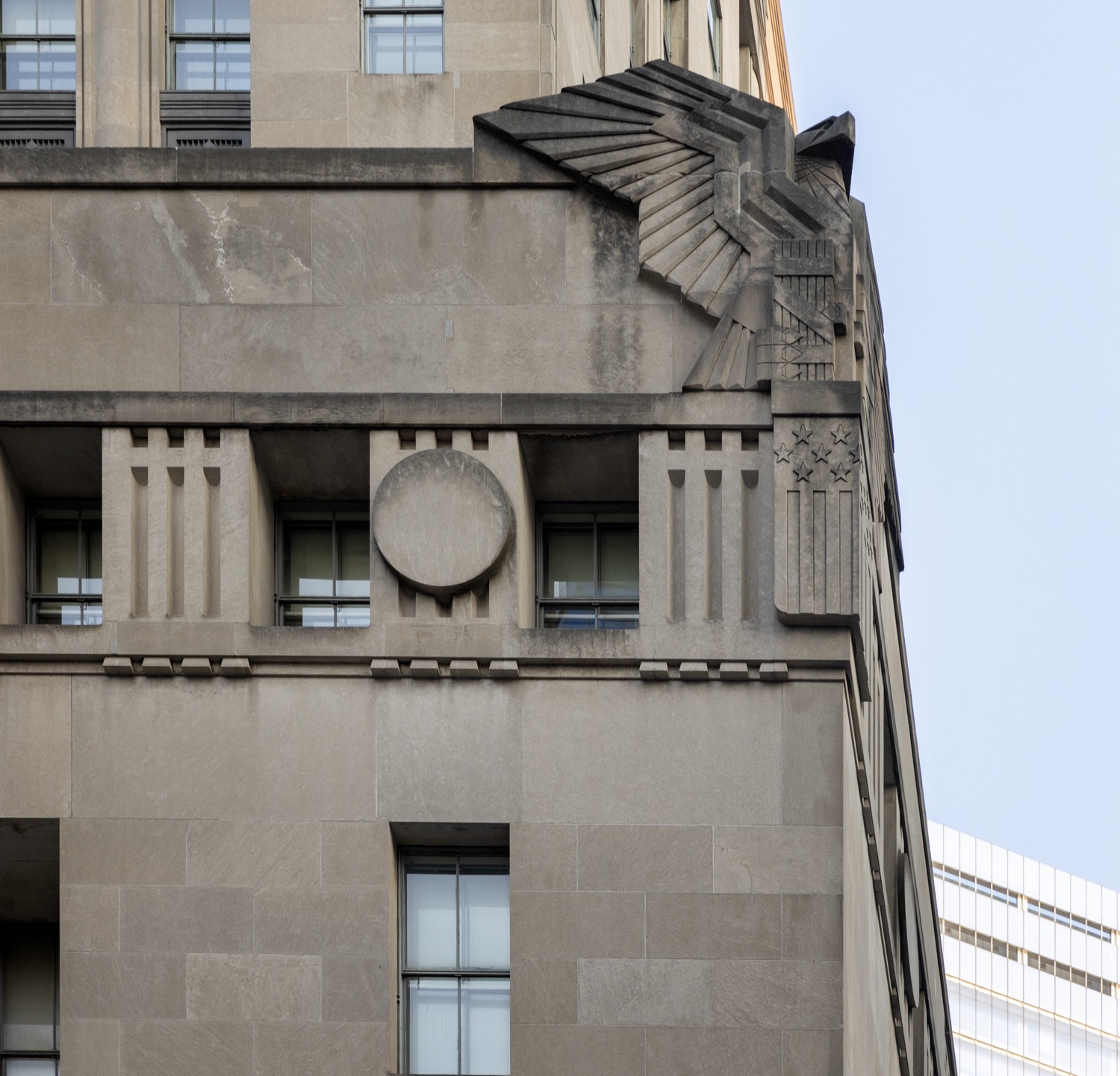
Who Performs a Local Law 11 Inspection?
A QEWI is a New York State–licensed architect or professional engineer who meets the qualifications required by the NYC Department of Buildings to inspect and certify building facades.
Their responsibilities include:
✓ Reviewing the building’s exterior conditions
✓ Performing physical examinations of the facade
✓ Documenting defects and deterioration
✓ Classifying facade conditions (Safe, SWARMP, or Unsafe)
✓ Filing the technical report with DOB
Malatesta Paladino works alongside QEWIs throughout the inspection and repair process — from the initial walkthrough to closing out violations — so owners aren’t left coordinating between an inspector and a contractor on their own.
Step-by-Step: What Happens During a NYC facade Inspection?
Step 1: Review Building History & Previous Reports
Before ever stepping on site, the inspector reviews:
- Previous FISP reports
- DOB records and open violations
- Previously completed repairs
- Known recurring facade issues
Purpose: understanding the building's history helps the inspector know where problems have occurred before — and where to look more closely.Step 2: Visual Examination of the Exterior
This is the core of the inspection. The QEWI walks the perimeter of the building and, depending on height and access, examines the facade from the street, from adjacent rooftops, or from a lift.
Masonry conditions. The inspector looks for cracked bricks, missing mortar, open joints, bulging walls, discoloration, and signs of water damage.
Structural elements. Lintels, parapets, cornices, balconies, copings, and other exterior attachments are checked for movement, corrosion, and secure anchoring.
Signs of water intrusion. Staining, efflorescence, deteriorated mortar, and rusted metal components all point to moisture getting where it shouldn't.Step 3: Hands-On Inspection (When Required)
Some conditions can't be assessed from the ground or from a distance. When that's the case, the inspection moves to close-range access — suspended scaffolding, inspection platforms, or drops — so the inspector can physically examine suspect areas and probe deteriorated material.
Hands-on inspection matters because hidden deterioration — corrosion behind a facade panel, a hollow section of mortar — often isn't visible from street level at all.Step 4: Documentation & Photography
Everything found during the inspection gets documented: the location of each defect, its severity, supporting photographs, building elevation drawings, and recommended repairs. NYC DOB requires the technical report to include proper documentation and photographic evidence to support the filing — this isn't optional paperwork, it's the basis for the building's compliance status.
How Does NYC Classify facade Conditions?
Every facade inspection ends with one of three classifications, and the classification determines what has to happen next.
| Classification | What It Means | Typical Action Required |
|---|---|---|
| Safe | No dangerous conditions present. | No immediate repairs required. |
| SWARMP (Safe With A Repair and Maintenance Program) | Currently safe, but deterioration exists. | Repairs required within the next FISP cycle. |
| Unsafe | Hazardous conditions present. | Immediate repairs and protective measures are required until hazards are corrected. |
Safe
No immediate repairs required. The building remains compliant and is scheduled for its next standard inspection cycle.
SWARMP
Examples include minor masonry deterioration, damaged mortar joints, or other localized issues. These don’t require emergency action, but they do need to be addressed within the current filing cycle.
Unsafe
Examples include loose bricks, active falling-debris risk, and structural instability. Unsafe conditions must be addressed immediately — and until repairs are complete, owners are typically required to install a sidewalk shed or protective netting at their own expense.
What Happens After the Inspection?
If the Building Passes
The QEWI submits the FISP report to NYC DOB, and the building remains in compliance until its next inspection cycle five years later.
If Repairs Are Required
1. Engineering evaluation of the deteriorated conditions
2. Repair recommendations from the QEWI or engineer
3. Permit applications, where required
4. Facade restoration work
5. Final inspection to confirm repairs
6. Updated filing with DOB to close out the violation
This is typically where a facade restoration contractor comes in — turning the QEWI’s findings into a completed, DOB-compliant repair.
Common Problems Found During NYC facade Inspections
- Cracked brick
- Deteriorated mortar joints
- Water infiltration
- Rusted lintels
- Loose terra cotta
- Damaged parapets
- Failed sealants
- Freeze-thaw damage
- Spalling concrete
Most of these issues start small. Left unaddressed, a hairline crack or a failed sealant joint becomes a source of ongoing water infiltration — and eventually a structural repair instead of a maintenance item.
How Much Does a NYC facade Inspection Cost?
There’s no single fixed price, because every building is different. Cost depends on:
- Cracked brick
- Access requirements (lift, scaffold, or suspended platform)
- Extent of hands-on inspection needed
- Whether repairs are required as a result
- Scaffolding or protective measures needed during the inspection
The inspection itself is only one part of facade compliance. Buildings requiring restoration work may also need engineering services, permits, materials testing, and construction oversight — all of which factor into the total cost of staying compliant.
Why Regular facade Inspections Matter
- Prevents falling debris hazards to pedestrians and tenants
- Protects residents, employees, and the public
- Identifies expensive problems while they're still inexpensive to fix
- Maintains NYC DOB compliance and avoids fines
- Extends the usable lifespan of the building
Facade inspections aren’t just a regulatory checkbox. They’re the earliest opportunity to catch deterioration before it becomes a liability issue — or a sidewalk shed that stays up for months.
Common Mistakes Owners Make
Even experienced owners get tripped up by the same handful of issues cycle after cycle:
- Waiting until the filing deadline to start — QEWI availability and access equipment both get scarce as a sub-cycle window closes
- Hiring non-QEWI firms to perform work that legally must be certified by a Qualified Exterior Wall Inspector, resulting in a rejected filing
- Ignoring SWARMP conditions — a SWARMP finding that goes unrepaired defaults to Unsafe at the close of the filing window, triggering violations and fines
- Assuming binocular inspections are sufficient — DOB requires hands-on, close-up access to the entire facade, not a visual review from the street
- Not budgeting for access equipment — scaffolding, lifts, and suspended rigs are often the single largest line item, and owners who don’t plan for it get blindsided
- Forgetting annual Unsafe filings — buildings with an Unsafe classification require ongoing annual status reports until the condition is resolved, not just a one-time fix
FISP Cycle 10: What Owners Need to Know
Cycle 10 is the current FISP cycle, and it’s staggered across three sub-cycles based on the last digit of a building’s tax block number:
| Sub-Cycle | Block Number Ends In | Filing Window |
|---|---|---|
| 10A | 4, 5, 6, or 9 | February 21, 2025 – February 21, 2027 |
| 10B | 0, 7, or 8 | February 21, 2026 – February 21, 2028 |
| 10C | 1, 2, or 3 | February 21, 2027 – February 21, 2029 |
How to find your sub-cycle: look up your building’s tax block number through DOB’s BIS or DOB NOW system, then match the last digit to the table above.
Early filing option: starting in Cycle 10, buildings whose most recent status was “No Report Filed” (NRF) and that are filing as Safe or SWARMP can submit an early Initial report before their assigned window opens — this stops civil penalties from continuing to accrue while the building catches up.
A note for SWARMP buildings: SWARMP conditions identified in the prior cycle (Cycle 9) that remain unrepaired will default to Unsafe once the current sub-cycle’s filing window closes — so unresolved SWARMP items shouldn’t be left until the deadline.
All FISP reports are filed electronically through DOB NOW: Safety.
FAQ About NYC facade Inspections
How often does NYC require facade inspections?
Buildings taller than six stories must have their facades inspected every five years under FISP.
How long does a NYC facade inspection take?
For a typical building, the visual and hands-on inspection itself usually takes anywhere from a few hours to a couple of days, depending on building size and access needs. The full process — from records review to filing the report — typically spans several weeks, largely driven by scheduling access equipment and completing documentation.
How much does a Local Law 11 inspection cost?
Cost varies widely based on building height, number of elevations, and the access equipment required (a suspended rig costs far more than a single lift). There’s no flat citywide rate — get a scope-specific quote rather than relying on a general estimate.
Who pays for facade inspections?
The building owner is responsible for the cost. In condos and co-ops, this is typically funded through the building’s operating budget or a special assessment, and boards often start budgeting well before the filing window opens.
What's the difference between SWARMP and Unsafe?
SWARMP conditions are currently safe but need repair within the FISP cycle. Unsafe conditions pose an immediate hazard and require action right away, along with protective measures in the meantime.
What happens if my building has an unsafe facade?
The owner must take immediate protective measures — typically a sidewalk shed or netting — and begin repairs without delay. Unsafe conditions also trigger a DOB violation and monitoring until the condition is resolved and the shed can come down.
Can I appeal a facade inspection report?
There’s no informal appeal of a QEWI’s professional findings, but owners can have a second qualified inspector review the conditions, and amended reports can be filed if new information or corrected conditions warrant it.
What is inspected besides the exterior wall?
Appurtenances — parapets, cornices, balconies, guardrails, window frames, fire escapes, and other attachments connected to the exterior wall — are all part of the required inspection scope, not just the wall surface itself.
What happens after the inspection report is filed?
DOB reviews the filing for completeness and acceptance. If it’s accepted, the building is compliant until its next cycle. If SWARMP or Unsafe conditions were noted, the owner remains on a compliance clock to complete repairs and file follow-up documentation.
Need Help With NYC Local Law 11 Compliance?
Schedule a Local Law 11 (FISP) inspection with our experienced QEWI team. Malatesta Paladino help NYC building owners complete inspections, file DOB reports, correct unsafe conditions, and stay compliant throughout Cycle 10. We’ve been doing this work since 1985 — we know the filing timelines, the documentation requirements, and what it takes to close out a violation the right way.