Local Law 126 Explained for Property Managers: NYC Parking Garage Inspection & Repair Guide
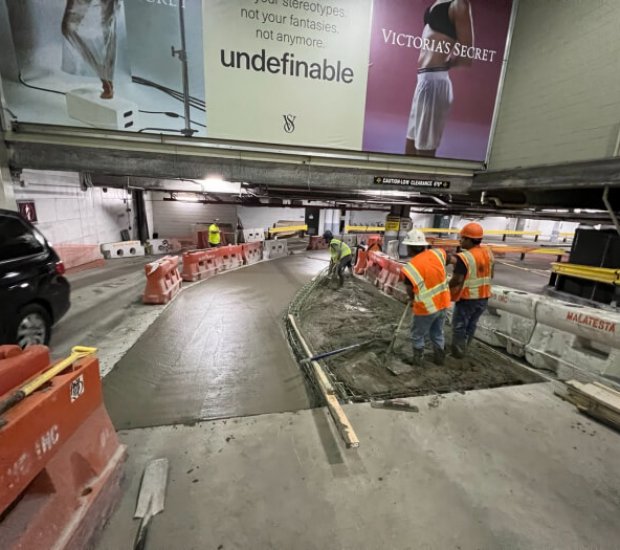
Local Law 126 Explained for Property Managers: NYC Parking Garage Inspection & Repair Guide A parking garage can look fine from behind the wheel while concrete deterioration, corrosion, and water damage quietly build underneath the driving surface. For NYC property managers, that gap between how a garage looks and what’s actually happening structurally is exactly what Local Law 126 was written to address. Local Law 126 of 2021 established periodic inspection requirements for parking structures across New York City. Under the current NYC Department of Buildings framework, qualifying structures need a condition assessment from a licensed Professional Engineer who holds DOB’s Qualified Parking Structure Inspector (QPSI) designation, at least once every six years. Miss that window, and a maintenance issue can turn into a compliance problem fast. Malatesta Paladino has worked on NYC concrete and masonry since 1985, and today helps property managers and building owners take an LL126 inspection report and turn it into completed, documented repairs. The company provides parking garage repair and Local Law 126 compliance services across New York City. This guide walks through who the law covers, what the inspection involves, and what property managers should do once an inspection report lands on their desk. What Is Local Law 126? Think of Local Law 126 as the parking-garage counterpart to the facade inspection law, Local Law 11, also known as FISP.Instead of focusing on exterior walls, Local Law 126 addresses parking-structure conditions and structural elements such as slabs, beams, columns, and systems that protect those elements from water and deterioration.NYC established a formal inspection and filing process for qualifying parking structures, with the NYC Department of Buildings overseeing compliance. Local Law 126 at a Glance Requirement Local Law 126 Law Local Law 126 of 2021 Primary focus NYC parking structures Inspection Periodic structural condition assessment Inspector NYS-licensed Professional Engineer designated as a QPSI Filing NYC Department of Buildings Inspection cycle At least once every 6 years under the current DOB framework Repair requirement Repairs may be required when deficiencies are identified For the most current requirements, property managers should verify their property’s obligations directly with the NYC Department of Buildings parking structure guidance. Here’s the practical part: if your property has a covered parking structure, it is on a compliance clock. That clock keeps running whether or not the garage looks fine from where you’re standing. Which NYC Parking Structures Are Covered by Local Law 126? The law covers structures used for parking or storing motor vehicles, whether they’re built into a building or standing on their own. Depending on the property’s configuration, this can include: Above-grade parking garages Below-grade parking garages Parking structures incorporated into buildings Open parking structures Parking facilities associated with mixed-use properties Some structures fall outside the requirements. Examples include: Garages serving one- and two-family homes Garages with fewer than three cars Unenclosed, unattached outdoor parking lots Automotive repair shops Automotive showrooms Automotive service stations Not sure whether your parking structure is subject to LL126? Don’t go only by how the garage is described internally. Confirm applicability with a qualified design professional and the current NYC DOB requirements. How Often Does a Parking Garage Need to Be Inspected Under Local Law 126? NYC DOB’s current framework calls for a periodic condition assessment at least once every six years. The city staggered inspection requirements across different boroughs and community districts rather than requiring every parking garage to file at the same time. For the current inspection cycle, NYC DOB identifies: Location Cycle 1 Filing Window Manhattan Community Districts 1–7 2022–2023 Manhattan Community Districts 8–12 & Brooklyn 2024–2025 Bronx, Queens & Staten Island January 1, 2026 – December 31, 2027 However, property managers should verify the exact filing history and applicable deadline for their individual property through DOB rather than relying solely on the borough table. Who Can Perform a Local Law 126 Parking Garage Inspection? The statutory inspection isn’t something a general contractor or maintenance company can simply sign off on. A Qualified Parking Structure Inspector (QPSI) is a New York State-licensed and registered Professional Engineer who has been designated by DOB to perform these inspections. The QPSI: Performs the required structural assessment Evaluates accessible structural elements Looks for signs of deterioration Classifies the structure’s condition Prepares and files the required condition assessment documentation An Important Distinction for Property Managers Malatesta Paladino is not the statutory QPSI performing the inspection. Its role comes after—or alongside—the engineering assessment as the repair and restoration contractor that can address conditions identified by the engineer. This distinction is important when planning LL126 work: the property manager may need both a qualified inspection professional and an experienced repair contractor. What Happens During a Local Law 126 Parking Structure Inspection? The inspection is designed to identify conditions that could affect the safety and durability of the parking structure.A property manager may encounter findings involving: Concrete spalling Concrete cracking Exposed or corroded reinforcing steel Deteriorated slabs Beam deterioration Column deterioration Soffit damage Water infiltration Failed waterproofing Deteriorated expansion joints Drainage problems Other structural deterioration The QPSI then evaluates the observed conditions and prepares the appropriate condition assessment documentation. What Property Managers Should Remember The inspection is not simply a visual walkthrough to determine whether the garage “looks okay.”A garage can appear operational while deterioration is developing within concrete, reinforcing steel, waterproofing systems, or structural components. What Happens If a Parking Garage Is Found Unsafe? This is where an LL126 inspection becomes an immediate property-management issue.If an inspection identifies an unsafe condition, the property owner may need to take immediate protective measures, including restricting access to affected areas or addressing other safety concerns identified by the engineer.Repairs then need to be coordinated with the appropriate professionals and documented according to the applicable DOB requirements. Property Manager Emergency Checklist Review the engineer’s report. Identify the affected areas. Implement required protective measures. Coordinate with the QPSI or engineer. Contact an experienced parking garage repair contractor. Develop the repair scope. Establish a repair schedule. Complete the required repairs. Coordinate engineer verification
What Happens During a NYC Facade Inspection? A Complete Guide to Local Law 11 (FISP)
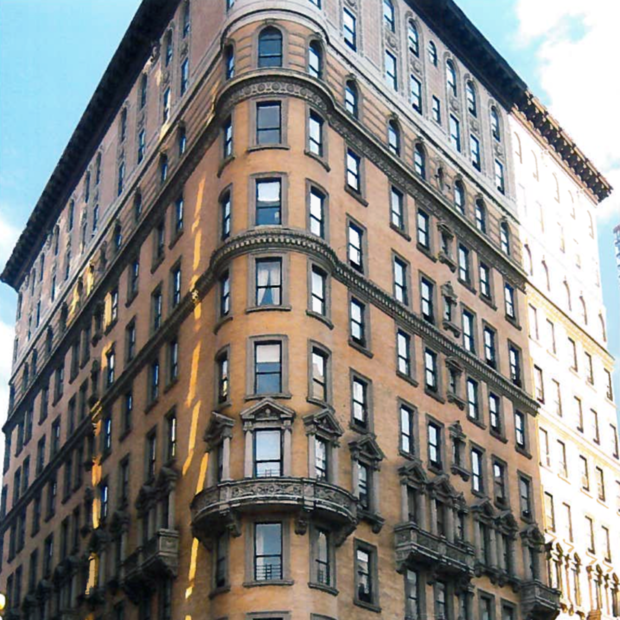
What Happens During a NYC Facade Inspection? A Complete Guide to Local Law 11 (FISP) Every year, thousands of NYC buildings undergo facade inspections to ensure their exterior walls remain safe and structurally sound. But many property owners, co-op boards, and building managers are unsure what actually happens during a Local Law 11 inspection — who performs it, what inspectors look for, and what happens after the report is filed. New York City has some of the oldest and tallest buildings in the country, and their facades are constantly exposed to freeze-thaw cycles, water infiltration, pollution, and decades of structural movement. A facade inspection exists to catch these problems before they put pedestrians and tenants at risk — and before they turn into costly emergency repairs. At Malatesta Paladino, we work directly with building owners, QEWIs, and co-op and condo boards across NYC to get facades inspected, repaired, and compliant. Here’s exactly what the process looks like, from the first records review to the final DOB filing. What Is a NYC facade Inspection? A facade inspection is a detailed examination of a building’s exterior walls and related components to determine whether they’re safe, stable, and compliant with NYC regulations. The inspection evaluates every material and element that makes up the exterior wall system, including: Brick masonry Stone facades Terra cotta Concrete panels Stucco Mortar joints Window lintels Parapets Balconies Fire escapes Exterior attachments Under FISP — the program most owners still refer to by its older name, Local Law 11 — buildings taller than six stories must be inspected every five years. Skipping or delaying an inspection doesn’t make the requirement go away; it just increases the chance that a minor issue turns into a DOB violation. NYC facade Inspection Facts Local Law Local Law 11 — Facade Inspection Safety Program (FISP) Applies To Buildings taller than 6 stories Inspection Frequency Every 5 years Inspector Required DOB-approved Qualified Exterior Wall Inspector (QEWI) Report Filed Through NYC DOB NOW: Safety Governing Codes NYC Construction Codes §28-302.1 and RCNY §103-04 Who Performs a Local Law 11 Inspection? A QEWI is a New York State–licensed architect or professional engineer who meets the qualifications required by the NYC Department of Buildings to inspect and certify building facades. Their responsibilities include: ✓ Reviewing the building’s exterior conditions✓ Performing physical examinations of the facade✓ Documenting defects and deterioration✓ Classifying facade conditions (Safe, SWARMP, or Unsafe)✓ Filing the technical report with DOB Malatesta Paladino works alongside QEWIs throughout the inspection and repair process — from the initial walkthrough to closing out violations — so owners aren’t left coordinating between an inspector and a contractor on their own. Step-by-Step: What Happens During a NYC facade Inspection? Step 1: Review Building History & Previous Reports Before ever stepping on site, the inspector reviews: – Previous FISP reports – DOB records and open violations – Previously completed repairs – Known recurring facade issues Purpose: understanding the building’s history helps the inspector know where problems have occurred before — and where to look more closely. Step 2: Visual Examination of the Exterior This is the core of the inspection. The QEWI walks the perimeter of the building and, depending on height and access, examines the facade from the street, from adjacent rooftops, or from a lift. Masonry conditions. The inspector looks for cracked bricks, missing mortar, open joints, bulging walls, discoloration, and signs of water damage. Structural elements. Lintels, parapets, cornices, balconies, copings, and other exterior attachments are checked for movement, corrosion, and secure anchoring. Signs of water intrusion. Staining, efflorescence, deteriorated mortar, and rusted metal components all point to moisture getting where it shouldn’t. Step 3: Hands-On Inspection (When Required) Some conditions can’t be assessed from the ground or from a distance. When that’s the case, the inspection moves to close-range access — suspended scaffolding, inspection platforms, or drops — so the inspector can physically examine suspect areas and probe deteriorated material. Hands-on inspection matters because hidden deterioration — corrosion behind a facade panel, a hollow section of mortar — often isn’t visible from street level at all. Step 4: Documentation & Photography Everything found during the inspection gets documented: the location of each defect, its severity, supporting photographs, building elevation drawings, and recommended repairs. NYC DOB requires the technical report to include proper documentation and photographic evidence to support the filing — this isn’t optional paperwork, it’s the basis for the building’s compliance status. How Does NYC Classify facade Conditions? Every facade inspection ends with one of three classifications, and the classification determines what has to happen next. Classification What It Means Typical Action Required Safe No dangerous conditions present. No immediate repairs required. SWARMP(Safe With A Repair and Maintenance Program) Currently safe, but deterioration exists. Repairs required within the next FISP cycle. Unsafe Hazardous conditions present. Immediate repairs and protective measures are required until hazards are corrected. SafeNo immediate repairs required. The building remains compliant and is scheduled for its next standard inspection cycle. SWARMPExamples include minor masonry deterioration, damaged mortar joints, or other localized issues. These don’t require emergency action, but they do need to be addressed within the current filing cycle. UnsafeExamples include loose bricks, active falling-debris risk, and structural instability. Unsafe conditions must be addressed immediately — and until repairs are complete, owners are typically required to install a sidewalk shed or protective netting at their own expense. What Happens After the Inspection? If the Building Passes The QEWI submits the FISP report to NYC DOB, and the building remains in compliance until its next inspection cycle five years later. If Repairs Are Required 1. Engineering evaluation of the deteriorated conditions2. Repair recommendations from the QEWI or engineer3. Permit applications, where required4. Facade restoration work5. Final inspection to confirm repairs6. Updated filing with DOB to close out the violation This is typically where a facade restoration contractor comes in — turning the QEWI’s findings into a completed, DOB-compliant repair. Common Problems Found During NYC facade Inspections Cracked brick Deteriorated mortar joints Water infiltration Rusted